
Software developer in Nairobi
I build custom software for schools, hospitals and businesses.
Many schools still chase fees in notebooks. Many hospitals lose hours passing paper between the doctor, the lab and the pharmacy. I build the software that replaces that: one system where everyone sees the same up-to-date record, and customers can pay by M-PESA. Below are systems I have built, and you can watch each one work.
I work as a Software Developer & Tester at remitcore, and I am studying Software Engineering at The Co-operative University of Kenya.
12 projects built8 running live online7 different industries2 years at remitcore
Systems I have built
Twelve projects, from compliance and hospital systems to an Android puzzle game. Each card says what the system does and what it is built with. The short videos are silent recordings of the real software.
Live products
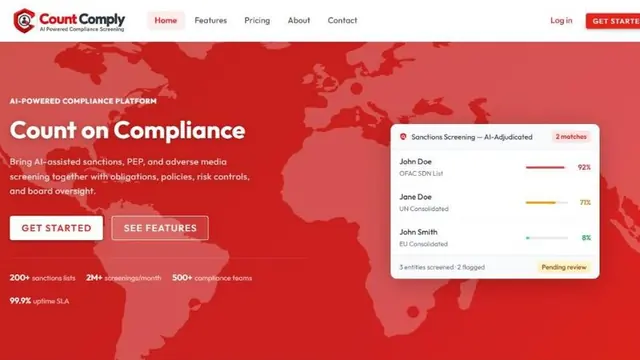
CountComply
ComplianceSoftware for compliance teams. It checks customers against sanctions and risk lists, tracks legal deadlines and filings, and keeps a record of every action for auditors and the board.
- AI-assisted checks of customers against risk lists (AML/KYC)
- Deadlines, filings and a full audit trail
8 parts: sign-in, screening, policies, risks, reminders, filings, board reports, audit trail

BioPay
BiometricsRegisters people by their biometrics and pays them, including by voucher, for humanitarian aid programmes. It keeps working when the internet is down.
- Checks the person is real, not a photo (liveness)
- Fast processing of biometric data
4 parts: sign-in, registration, payments, vouchers
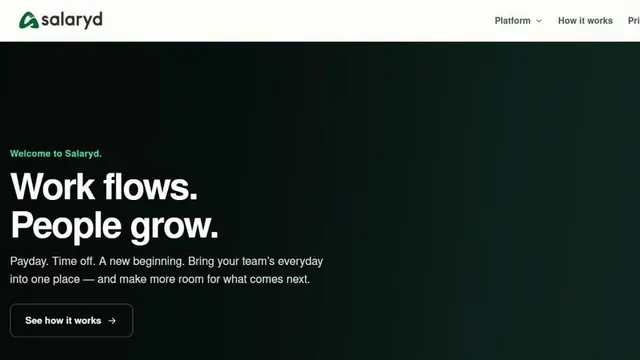
Salaryd
HR TechPayroll and HR software for growing companies. Pay staff, track attendance and hire, all in one place.
- Pays staff, works out tax and tracks attendance
- Handles hiring and employee records
5 parts: sign-in, payroll, attendance, recruitment, records
Business systems and apps

Couture
Web PlatformA hobby project: an outfit inspiration website where visitors browse looks for everyday, work and nights out, use a small style finder and read a style journal.
- Style finder that suggests looks by occasion, mood and colour
- Feedback form and a style journal
What I did: design, front end, style finder, going live
Canteen System
OperationsA food ordering system for businesses with several branches. Customers order on the website or the Android app, pay by M-PESA or wallet and collect with a short code. Cooks work from a live kitchen board, each sale updates stock, and managers see purchasing, prep times and profit reports.
10 parts: online shop, Android app, kitchen board, pickup board, stock and purchasing, branches, wallet, refunds, emailed login codes, M-PESA
MedicAid (HMS)
HealthcareRuns patient care, admissions, pharmacy, lab, billing and payroll, with separate access for seven roles. Includes medication safety checks, patient deterioration scoring, M-PESA and SHA payments, a patient portal and read-only FHIR access for sharing records with other health systems.
7 user roles, 54 services behind the scenes, 86 screens, 73 database tables
School Management System
EducationOne platform that many schools can share, each with its own private data. It covers admissions, students and staff, fee collection (M-PESA and Paystack), attendance, exams and report cards (including the Kenyan CBC curriculum), timetables, library, boarding, payroll and reports. Behind the scenes it is 28 separate services that talk to each other (Java Vert.x and PostgreSQL). Sign-in is protected by email codes or an authenticator app. Each school can switch modules on or off and choose what each role may do. The dashboard is built with Vue 3 and Vuetify.
Ratiba appointment booking
SchedulingOnline booking for salons, barbers and clinics. Customers open the shop's own link, pick a service, a person and a time, and book without an account. They get a WhatsApp confirmation, a calendar file and a private link to cancel or reschedule. Owners see every booking on a day timeline, add walk-ins, block time, and set staff hours, breaks and days off. The database itself refuses double bookings, and reminders go out by email and SMS.
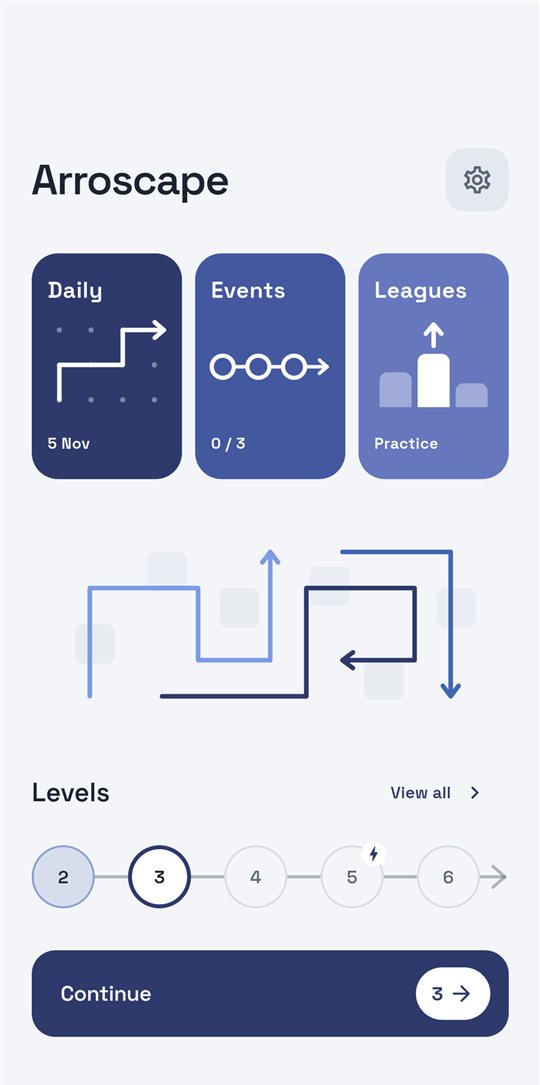
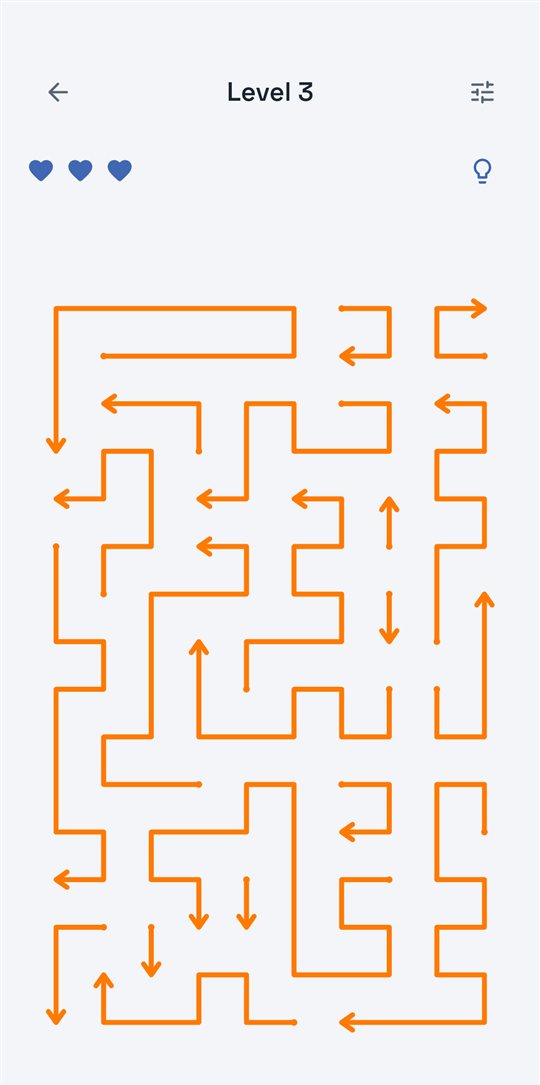
Arroscape
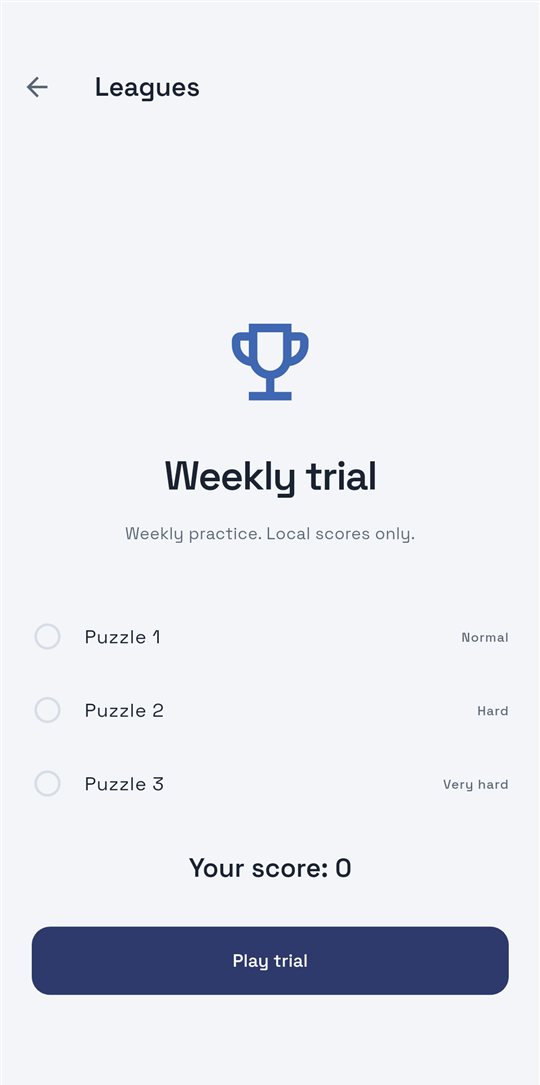
Early accessAn arrow puzzle game. Tap arrows in the right order to clear blocked paths and untangle each board before your lives run out. Includes 1,000 campaign levels with a fresh arrow color each level, burst arrows, rare extreme levels with four lives, arrow-badge result screens, daily puzzles and weekly events, with offline play and progress saved on your device. Learn with an interactive tutorial, revisit unlocked levels, and adjust sound, haptics and reduced motion in settings.
v0.3.5 · 36.7 MB APK · Android 7.0+
Android test build. Not on Google Play yet.
On a computer? This is an Android app. Open this page on your phone to install it.
How to install & what to expect
- Open this page on your Android phone and download the APK above.
- Open the downloaded file. If Android asks, allow your browser or file manager to install apps from this source, then return to the file and tap Install.
- Open Arroscape and try the tutorial. You can turn the installation permission off again afterward.
This is an early test build, so you may encounter bugs. Updates are manual: return here for a newer APK. Progress is saved locally; uninstalling the game or clearing its data can erase it.
If your device blocks installation, follow its on-screen guidance. Google's help for unverified app installs.
More live websites

Tayari CRM Website
CRMThe public website for Tayari CRM, a tool that handles new-customer onboarding and customer complaints in one place. I built the landing page and the sign-in, invitation and password-reset pages.
What I did: landing page, sign-in pages, search and accessibility work, automated browser tests

Derrick Gallery
Web PlatformA website for listing and browsing vehicles for sale in Kenya. Built with Laravel and Tailwind CSS and hosted online on its own web address.
- Database set-up scripts and an API for the listings
- Hosted on Render, on its own web address
What I did: sign-in, listings, API, database set-up, going live
remitcore
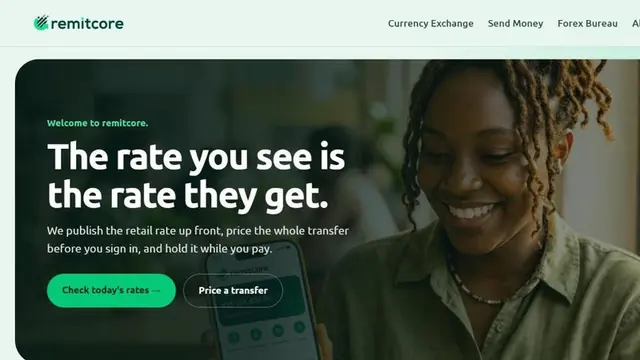
FinTechPublic website for remitcore, a money transfer and currency exchange platform. Built as part of my work on the remitcore development team.
- Website design and development
- Built as part of the remitcore development team
Scope: public website, design and development
Side Projects
Nine small builds made for fun and practice, with source on GitHub. Just for the joy of building, so none of them are used in production.
Timer (C)Translator (Python)Avatar Maker (Python)Content Crawler (Java, Vue)Rebreak (JavaScript, source)M-Pesa Analysis (JavaScript, source)Tiny City (Python)Matatu Rush (JavaScript)Tao (JavaScript)
In development
Four systems in development. The library, POS and marketing engine have their server side done and their screens under way; the accounting system is server side only so far.
Library Management System
In developmentRuns a library: members, the book catalogue, borrowing and returns, reservations, fines paid in cash at the desk, and reports. Members get emails for due dates and holds.
- Fast book search that forgives typos, barcode labels for books and member cards
- Editable roles, two-step sign-in and a full activity trail
POS Platform
In developmentA till and stock system that many businesses can share: shops, restaurants and service businesses. Sales, stock, purchasing, shifts, customers, receipts and reports.
- M-PESA payments and KRA tax receipts (eTIMS)
- Restaurant kitchen screen, appointments, works through internet drops
Accounting System
In developmentAccounting software that records every transaction twice (double entry), the way accountants do. It tracks ledgers and journal entries, money owed to and by the business, and produces financial reports automatically.
- 5 parts: sign-in, ledgers, journals, money owed and due, reports
Automated Marketing Engine
In developmentSoftware that does a business's daily social media work. It researches a topic, writes a post for LinkedIn, Facebook and Instagram, makes the image, and emails a person to approve it. Nothing is published until they say yes.
- Approval deadline tracking, change requests, and retries that never double-post
- Four user roles, source evidence for every post, and a full audit log
Case studiesHow CountComply, BioPay, MedicAid and the school platform were built
Case studies
Inside CountComply: compliance in one place
Inside BioPay: identity you can pay against
Inside MedicAid: one system for every role in the hospital
Private repository, code on request
Inside the School Management System: many schools, one platform
Private repository, code on request. Not yet hosted.
What I can build for you
I build custom software for any kind of business, from Nairobi, for clients anywhere. These are the systems I build most, and each has a working example in the projects above. If yours is not listed, tell me what you need and I will tell you how I would build it.
Point of sale and stock control
Tills for shops, restaurants and canteens: take orders, print receipts and track stock, with separate logins for cashiers, staff and managers.
Online shops and ordering
A website where customers browse what you sell, order and pay online, and follow their order until it is delivered or collected.
Hospital and clinic systems
Patient records, appointments and admissions, plus pharmacy, lab and billing, with a separate view for doctors, nurses, reception and admin.
Accounting
Your books in software: ledgers, journals, money owed to you and by you, and financial reports that produce themselves.
Payroll and HR
Staff records, attendance, salaries, tax deductions and hiring in one place.
Compliance and risk checks (AML/KYC)
Screening customers against sanctions and risk lists, tracking filings, and keeping a full record of who did what. For businesses that regulators watch.
Biometrics and identity
Registering people with biometrics and checking the person is really there, not a photo. Works even when the internet drops.
M-PESA and other payments
Customers pay from their phone with M-PESA and the system confirms the payment by itself. Wallets and vouchers too.
Mobile apps
Android apps (Kotlin) and apps for both Android and iPhone from one codebase (Flutter), connected to your system.
About
I am a software developer and tester at remitcore, a company in Nairobi, and I am studying Software Engineering at The Co-operative University of Kenya. I started at remitcore as an intern in 2025, working on compliance and data analysis. In 2026 I moved to designing, building and testing their systems and mobile apps.
Alongside my job I design, build and host my own systems: compliance, payments, payroll, online shops, hospitals and canteens. I focus on three things: well-organised data, software that stays fast when many people use it at once, and live systems that stay online.
Experience
- 2026 – nowSoftware Developer & Tester, remitcore. Designing and building systems, testing them, and building mobile apps (Flutter and Kotlin).
- 2025Development intern, remitcore. Compliance checks in Excel, data analysis (Power BI and Python), and testing APIs.
- NowBSc Software Engineering at The Co-operative University of Kenya (studying now).
What I work withLanguages, databases and hosting I use
What I work with
- Server side
- Java (Vert.x), PHP (Laravel), Python, C
- Websites and apps
- Vue.js, Vuetify, Tailwind CSS, HTML, CSS, JavaScript, Flutter, Kotlin
- Databases and data
- PostgreSQL, MySQL, database design, Power BI, pandas, Excel
- Hosting and tools
- Git and GitHub, Render, domain names (DNS), Linux
How a project goes
The same four steps every time, from the first conversation to a system your team can run on its own.
We talk
A call to understand your business problem, who will use the system and what finished looks like. Then we agree what I will build.
I plan it
I plan the screens, who can do what, and how the data is stored before writing code, so the system holds up as it grows.
I build it in stages
You see working versions early and can change direction while changes are still cheap.
Test, launch, hand over
I test it, put it live on your own web address, and show your team how to use and look after it.
Fixed-price projects · Hourly or monthly · Freelance and contract work · Remote from Nairobi (EAT) · Replies within 24 hours
Common questionsStarting, pricing, working abroad and support after launch
Common questions
How do we start?
Send me a message with what you need, using the form or WhatsApp. I reply within 24 hours, and we set up a short call to understand the problem.
How do you charge?
Fixed price for projects with a defined scope, or hourly or monthly for ongoing work. I quote after the discovery call, so the price matches the scope.
Do you work with clients outside Kenya?
Yes. I work remotely from Nairobi, on East Africa Time, with clients anywhere.
What happens after the system goes live?
It depends on the project. We agree what support you need before we start, whether that is a handover only or ongoing fixes and updates.
Can you build something that is not on your list?
Yes. The systems above are the ones I have built most, but I build custom software for any business. Tell me what you need and I will scope it.
Can I see a demo before we start?
Yes. The recordings and live links above show real systems. Tell me which one is closest to what you need and I will walk you through it on a call.
Let's talk
I am open to freelance projects, contracts and working together, alongside my job at remitcore. Tell me what you want to build or fix and I will reply within 24 hours.
Nairobi, Kenya. East Africa Time.